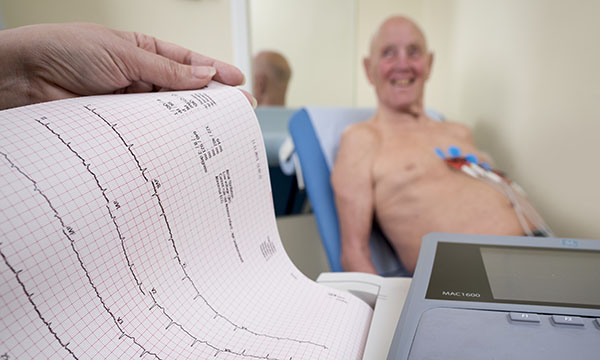
Cardiac monitoring and the use of a systematic approach in interpreting electrocardiogram rhythms
Attaching a patient to a cardiac monitor and obtaining a clear electrocardiogram (ECG) trace may now be considered basic nursing skills. In line with the UK professional standards and code of conduct, healthcare practitioners are required to practise effectively and preserve patients’ safety. Therefore, healthcare practitioners undertaking cardiac monitoring are required to have a basic understanding of normal sinus rhythms and some of the common types of cardiac arrhythmia. This will enable prompt recognition of early warning signs of potential and actual clinical conditions, and the timely initiation of treatment. This article reviews the clinical skill of attaching a patient to a three and five-lead cardiac monitor, discussing appropriate skin preparation and lead selection. It also outlines the identification of several of the common types of cardiac arrhythmia on an ECG rhythm strip using a systematic approach.