Cultural humility: a mindset for nursing older people
Cultural competency typically refers to the knowledge and skills nursing staff need to care effectively for people from different cultural backgrounds, but the term is limiting. Many are calling for a shift away from competency and towards ‘cultural humility’ – a lifelong commitment to reflection, curiosity and recognising the power dynamics shaping our care. This shift is vital in the care of older people, particularly those from minority ethnic backgrounds.
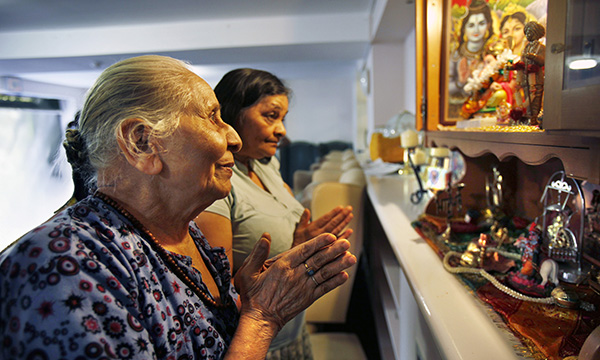
Care home nurses are in a powerful position to deliver cultural humility and, ultimately, responsive care for older people from different cultural backgrounds

We have all heard of cultural competency. We see its value in healthcare – and we also notice its absence all too clearly. But what does it truly mean?
Cultural competency typically refers to the knowledge and skills nurses need to care effectively for people from different cultural backgrounds. Yet the term itself can feel limiting – implying that culture is a problem to solve or a box to tick.
‘Cultural identity is complex, evolving and deeply personal. It cannot be fully captured in a checklist or taught in a single e-learning module’
In truth, cultural identity is complex, evolving and deeply personal. It cannot be fully captured in a checklist or taught in a single e-learning module. That is why more voices are calling for a shift: away from competency and towards ‘cultural humility’ – a lifelong commitment to reflection, curiosity and recognising the power dynamics that shape our care.
Without responsive care older people can feel isolated, distressed and excluded
This shift is vital in the care of older people. Through my research with older residents in care homes, I hear stories of vulnerability and transition. For those from minority ethnic backgrounds, this move often means losing familiar foods, faith communities and daily cultural practices. Without responsive care, this can deepen feelings of isolation, distress and exclusion.
- RELATED: Cultural competence
Care home nurses are in a powerful position to change this – not just by knowing more, but by noticing more. By being curious. By listening with intention.
So what now?
Start with yourself. What assumptions do you carry? What matters most to the person in front of you?
Then act as a team. Reflect together in handovers. Mark cultural festivals. Adapt menus. Learn a few words in a resident’s language.
And finally, push for system change. Do care plans ask the right questions about culture? Do families feel heard?
Cultural competency is not a destination. It is a mindset, a practice, we bring to every encounter.

 Have you tried RCNi Plus yet?
RCNi Plus offers unlimited access to RCNi Learning, Nursing Older People, Nursing Standard, our other specialist journals and RCNi Revalidation Portfolio to store your CPD for revalidation. Use the discount code TRIALPLUS to get it half price for three months. Click here for more details