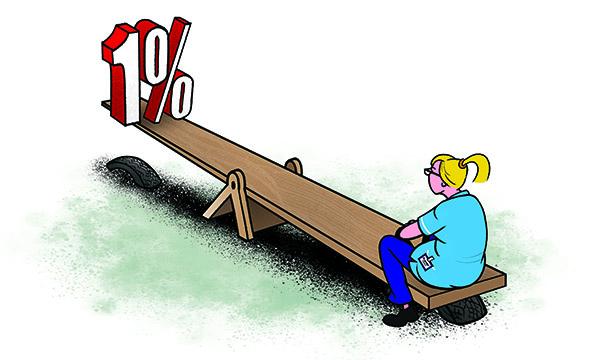

Health visitors in south Wales are striking after NHS employer ignored job evaluation appeal
Analysis
Image
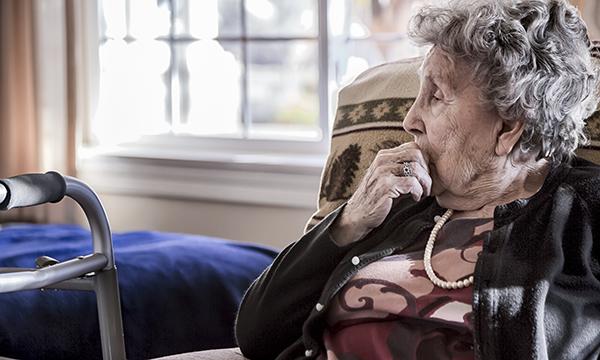
As care homes struggle to make ends meet, research shows those who pay for their own care may also be topping up fees for state-funded residents.
Image

Domestic abuse charity SafeLives is calling for a focus on older victims of domestic abuse who they describe as a ‘hidden’ group.
Image
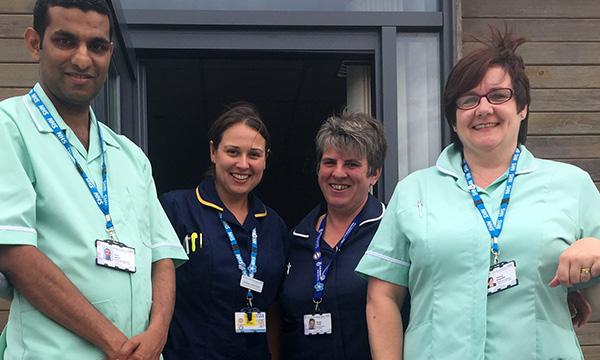
Positive results shine through for trust's pilot scheme enhancing the care of older patients.
Image

Skills for Care survey finds one fifth of nurses in the adult social care sector work on zero-hours contracts
Image
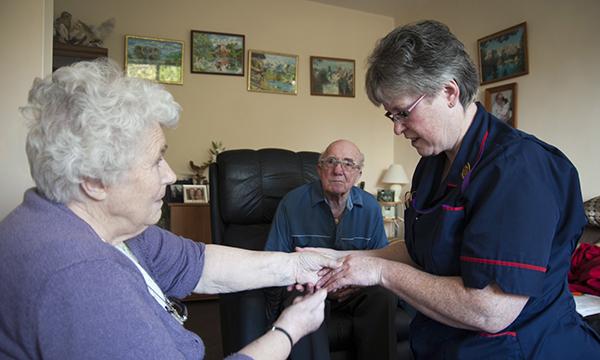
The decline in district nurse numbers is well known. A fall of 48% between 2000 and 2014 has seen numbers drop below 6,000 full-time roles in England
Image

Minimum pay rate of £7.20 per hour set to increase operators’ overheads
Image
Encouraging improvements have been achieved, but spreading these successes more widely may hit a wall because of financial restraints
Two months ago, the Nursing and Midwifery Council launched a revalidation model that all nurses and midwives in the UK will have
The National Institute for Health and Care Excellence (NICE) has issued draft guidance to improve care for people with multiple
Variation the quality of care provision has been found following the first national audit of end of life care in hospitals since the
At the start of this month, the first nurses to use the new revalidation system will have completed their applications and maintained their registration. By April 2019, every nurse and midwife in the UK will have gone through the process
Innovative technology is being piloted in the NHS to help older people receive more care at home and keep them out of hospital
Faster access to specialist care for frail, older patients at a Kent emergency department (ED) has cut the amount of time they spend in hospital.
Arguably, the greatest challenge faced by the UK’s health and care sectors in the 21st century is trying to meet the needs of the country’s ageing population. However, if a report by Age UK is accurate, services in England are failing to meet them.
Boosting pay in the homecare and care home sectors is, on the face of it, a positive development supported by workers and employers alike.
It was, tantalisingly, so close. After years of debate it had been decided that, from 2016, the amount of money people would need to pay for long-term care in older age would be capped for the first time