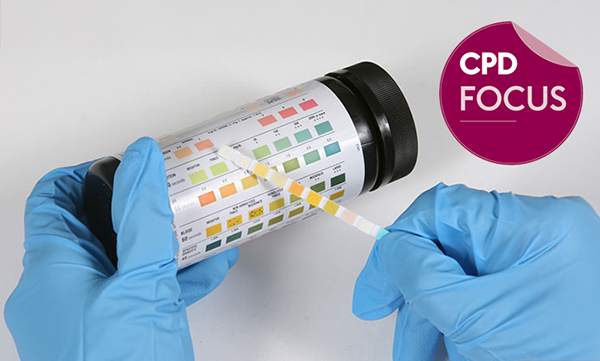
CPD focus: differentiating between four common genitourinary conditions with overlapping symptoms
To increase your awareness of the symptom overlap between four common genitourinary conditions
To shape your professional learning more flexibly around your busy work schedule
To contribute towards revalidation as part of your 35 hours of CPD (UK readers)
To contribute towards your professional development and local registration renewal requirements (non-UK readers)
Urinary tract infection (UTI), genital herpes, vulvovaginal candidiasis and genitourinary syndrome of menopause (GSM) are four common conditions with overlapping symptoms, which increase the risk of diagnostic uncertainty and inadequate management. This article explains how primary care nurses can distinguish between these conditions and narrow down the diagnosis by being aware of which symptoms may overlap, taking a comprehensive patient history and considering all differential diagnoses. A physical examination is often required and targeted diagnostic and screening tests, including for sexually transmitted infections (STIs), are essential. The article also discusses the important role of primary care nurses in referring patients, where necessary, to specialist services such as sexual health, urology, genitourinary medicine or obstetrics.